Loading...
Serving Fort Smith, AR and surrounding areas. (479) 377-0983
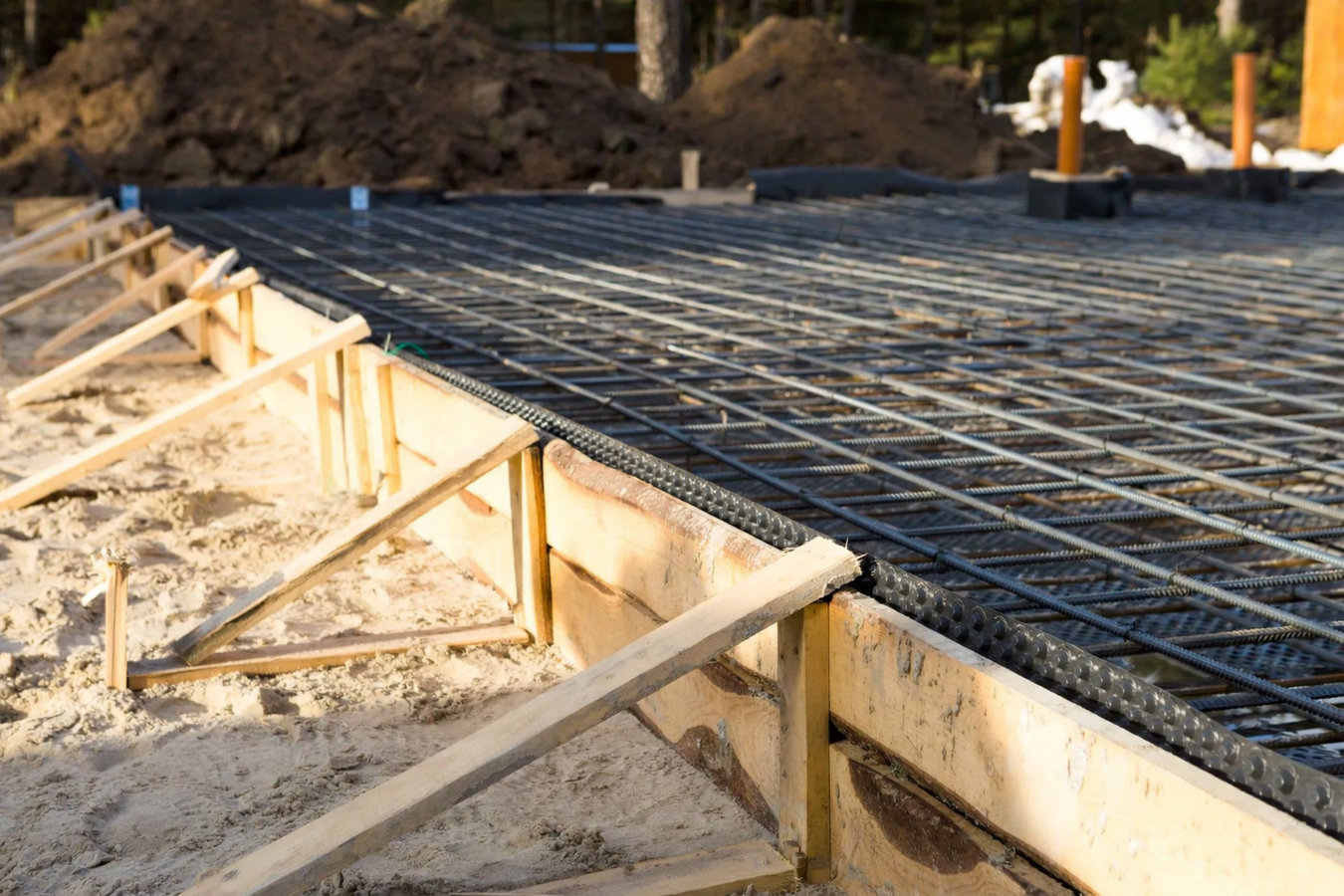
Fort Smith's clay soil and hot summers demand more from a foundation than most. We handle soil prep, steel reinforcement, permits, and the pour so your home starts on solid ground.
Slab foundation building in Fort Smith starts with soil compaction and site grading, followed by steel reinforcement and a single continuous pour - most residential slabs are complete and ready for framing within one to two weeks from the first day of prep work.
If you are building a new home in Fort Smith, the slab is the single most important investment you will make in the project. Get it right and everything above it stays true for decades. Rushing the soil prep or skipping the permit inspection are the two fastest ways to end up with cracking floors and sticking doors five years later.
Many homeowners also pair their new slab with concrete footings for attached garages or additions at the same time, which saves money on mobilization and keeps the whole project on a single timeline.
If you have purchased land and are preparing to build, a slab foundation is the most common starting point for new residential construction in this part of Arkansas. Your builder or general contractor will typically coordinate the concrete work, but understanding what is involved helps you ask the right questions before work begins.
Diagonal cracks at the corners of openings are one of the clearest signs that an existing slab is moving unevenly underneath the house. In Fort Smith, this pattern is often caused by clay soil expanding and contracting with seasonal rain and drought cycles. If you see these cracks widening over time, even slowly, it is worth having a foundation professional take a look.
When a slab shifts, door frames and window frames shift with it - and suddenly doors that used to swing freely start dragging on the floor or refusing to latch. This is one of the most common early warning signs homeowners notice before any visible cracking appears. It does not always mean a major problem, but it is worth investigating rather than ignoring.
Fort Smith gets significant rainfall, and if water consistently runs toward your home rather than away from it, the soil around your slab is being saturated repeatedly. Over time, this softens the clay underneath, which can lead to settling. If you see standing water within a foot or two of your foundation after storms, that is a sign the drainage needs attention.
We handle every stage of residential slab foundation work in Fort Smith: site assessment, permit filing with the City of Fort Smith Building Services Division, soil compaction, form setting, steel reinforcement layout, the pour, and curing management. For properties with challenging lots or clay-heavy soil, we take extra time on the subgrade preparation before a drop of concrete goes in.
We also coordinate slab work with foundation installation for homes that need a complete below-grade system, and with concrete footings for load-bearing walls, garages, and additions. Keeping all the foundation work on one contract means fewer coordination headaches and a single point of accountability when framing begins.
For homeowners building a new home from the ground up on a vacant lot in Fort Smith or Sebastian County.
For homeowners expanding their footprint with a room addition, garage, or covered structure that needs its own concrete base.
For detached garages, workshops, and storage buildings that need a level, durable concrete floor to work on or store equipment.
For Fort Smith homeowners who want to incorporate a reinforced storm shelter or safe room into the pour rather than adding one after construction.
Fort Smith sits on expansive clay soil that swells when it rains and shrinks when it dries - and that cycle happens every single year in Arkansas. Contractors who have not worked in this soil type can underestimate how much time and material the subgrade prep actually requires. Cutting corners on compaction is one of the most common reasons slabs in Sebastian County develop diagonal cracks within the first few years, long before they should show any wear at all.
Fort Smith summers regularly push past 95 degrees, which means summer pours need to happen early in the morning with a curing plan in place from the first minute. We also handle all permit coordination with the City of Fort Smith Building Services Division - the footing inspection before the pour is not optional, and experienced local contractors treat it as a quality checkpoint, not a bureaucratic obstacle.
Homeowners across the service area need the same level of care. We work in Van Buren and Greenwood regularly, and soil conditions across Sebastian County are similar enough that our site prep approach applies throughout the region.
We walk your property before giving you any numbers - looking at lot size, slope, soil conditions, and equipment access. You will receive a written, itemized estimate within one business day of the visit.
We handle the permit application with the City of Fort Smith Building Services Division before any digging starts. Permit approval typically adds about a week to the timeline before physical work begins.
Once the permit is approved, we grade and compact the soil, set forms to shape the slab edges, and lay the steel reinforcement grid inside. A city inspector visits before the pour to verify the footing depth and reinforcement.
The pour happens in a single continuous session. We then manage the curing process - including early-morning scheduling in summer heat - until the slab is ready for framing and the site is returned to you.
We walk your property, file the permits, and give you a written estimate. No obligation, no pressure, and we respond within one business day.
(479) 377-0983We never treat Fort Smith slabs like flat-lot pours. Every estimate includes the soil compaction and subgrade preparation that local clay actually requires, so there are no scope surprises after work begins.
We file with the City of Fort Smith Building Services Division, coordinate the footing inspection, and close out the permit when the job is done. You get the sign-off paperwork, which matters when you sell or refinance.
Fort Smith hits 95 degrees for weeks at a time. We schedule pours for early morning and use proven curing methods so the concrete sets properly regardless of what the thermometer says that afternoon.
You can verify our license status yourself at the Arkansas Contractors Licensing Board before signing anything. We carry liability insurance and workers' compensation, and we hand over proof without hesitation.
Every slab we build in Fort Smith goes through the same process: thorough soil prep, proper reinforcement, a permit inspection before the pour, and a curing plan matched to the weather. That consistency is how we avoid the callbacks that follow rushed work.
For more on residential concrete best practices, see the Portland Cement Association guide to slabs on ground. For permit requirements specific to Fort Smith, visit the City of Fort Smith Building Services Division. Contractor license verification is available at the Arkansas Contractors Licensing Board.
Complete below-grade foundation systems for new homes and major repairs, including crawl space and basement options tailored to Fort Smith soil and drainage.
Learn morePoured concrete footings for load-bearing walls, attached garages, additions, and any structure that needs a stable connection to the ground in Fort Smith.
Learn moreSpring and fall booking windows fill fast. Lock in your project date now and we will handle permits, soil prep, and the pour from start to finish.