Loading...
Serving Fort Smith, AR and surrounding areas. (479) 377-0983
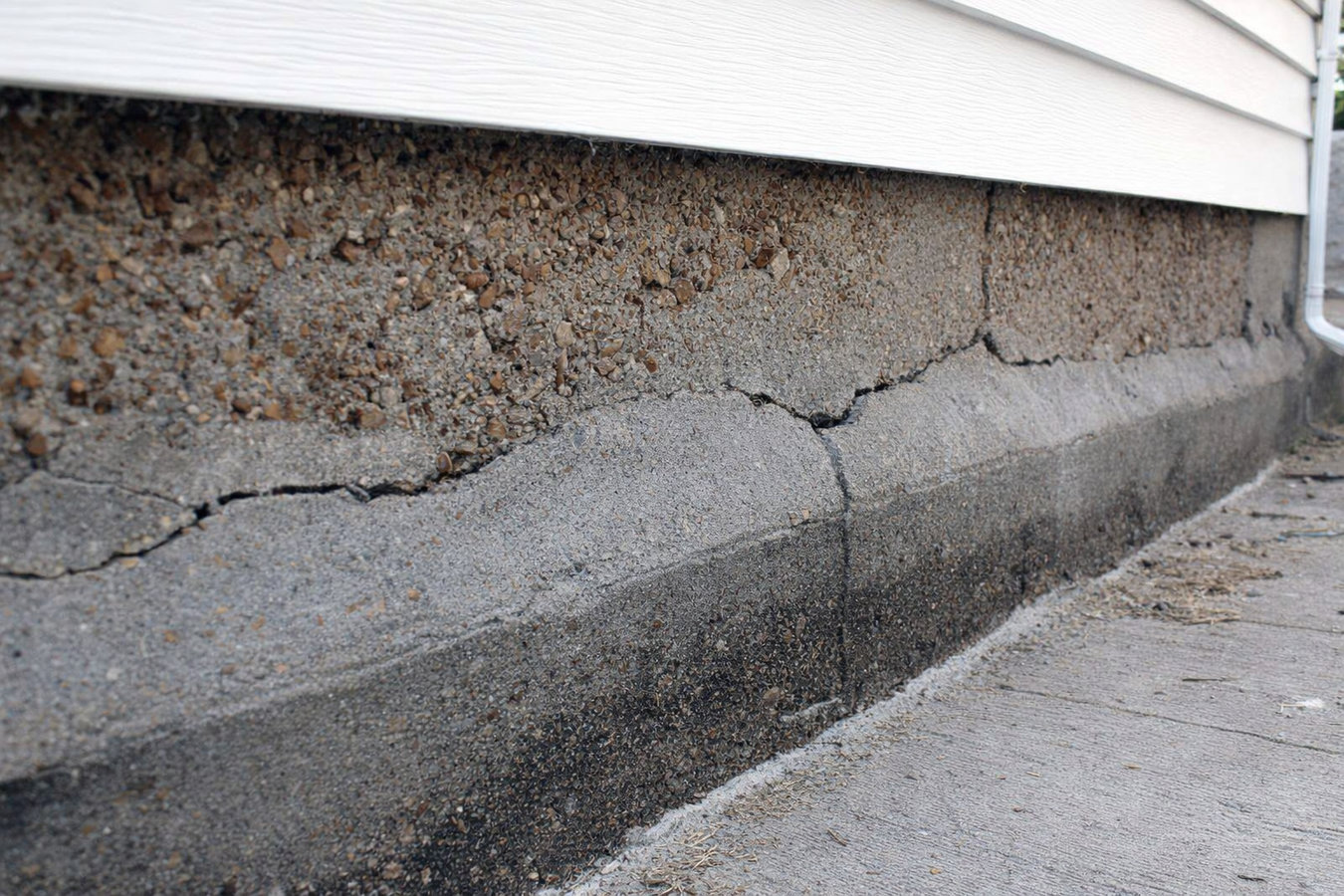
If your slab has sunk or shifted, we lift it back to level without tearing it out - faster and far less expensive than full replacement.
Foundation raising in Fort Smith lifts sunken or uneven concrete slabs back to their original position by filling the void underneath with material pumped through small holes - most residential jobs are completed in one to two days, and you can walk on the slab the same day.
The heavy clay soil under most Fort Smith homes is the main reason foundations drop. It swells in wet weather and contracts during dry spells, and that cycle slowly pulls the soil away from the underside of your slab. Foundation raising addresses exactly that problem. If your slab is still structurally sound - no major cracking or crumbling - lifting it is almost always faster and more affordable than slab foundation building from scratch.
A lot of Fort Smith homeowners put this off because they assume it means tearing up their yard or living in a construction zone for days. It does not. The drill holes are small, the crew cleans up when they leave, and most people are surprised by how quick and contained the process is.
If a door that used to swing freely now drags on the floor, your foundation may have shifted. In Fort Smith, this often happens after a dry summer when the clay soil contracts and the slab moves. It is one of the first signs that something is changing beneath your home.
Walk along the base of your interior walls and look for a gap between the floor and the trim. Even a small gap can signal that a section of your slab has dropped. This is especially common in older Fort Smith homes where the original soil preparation was minimal.
Diagonal drywall cracks starting from door or window corners are a classic sign of foundation movement. The wall is being pulled in two directions as one part of the slab drops. Cracks that grow over time, rather than staying stable, deserve a professional look.
If you feel a slope or a marble rolls consistently in one direction, part of your slab has likely settled. This is particularly common in Fort Smith homes built on clay-heavy lots where drainage was never properly graded away from the house.
We offer two proven lifting methods for Fort Smith homeowners. Traditional mudjacking pumps a cement-and-soil slurry beneath the slab to fill voids and raise the concrete. Polyurethane foam lifting injects an expanding foam that cures quickly and is lighter on the soil - a good fit for areas where soil conditions or weight load are a concern. Both methods lift the slab, patch the drill holes, and leave you with a level surface. If a slab is too damaged to lift, we can discuss slab foundation building as a full replacement option.
After a lift, we always walk the property with you to check for drainage issues that may have caused the original settling. In some cases, a targeted concrete cutting job to improve drainage channels near the foundation is the best way to protect the repair long-term. We will tell you honestly whether that is needed and what it would involve.
Best suited for homeowners looking for a cost-effective lift on a stable slab where a slightly heavier fill material is acceptable.
A good fit for areas where fast cure time, lighter weight, or minimal hole size is a priority - including garage floors and interior slabs.
Included with every job - we identify whether water pooling near the foundation contributed to the settling and what can be done about it.
We walk the slab with you at completion, verify level, patch all drill holes, and confirm the slab is ready for use the same day.
Fort Smith sits on heavy clay soil throughout Sebastian County, and that soil behaves differently from the sandy or loamy ground found in other parts of the country. It swells when it absorbs rainfall and shrinks during the hot, dry summers the area is known for. That cycle - expand, contract, repeat - puts constant stress on concrete slabs from below. Homes near the Arkansas River and its tributaries face an added challenge: the flat terrain and slow-draining soil means water often pools against foundations rather than draining away. Both conditions are direct causes of the settling and void formation that foundation raising is designed to fix.
A large share of Fort Smith homes - including many in established neighborhoods near downtown and Fianna Hills - were built in the 1950s through 1980s on soil that was not engineered or compacted to today's standards. That means settling is more common here than in newer subdivisions, and it is a problem our crew sees regularly. We also serve homeowners in Van Buren and Greenwood, where similar clay soil and older housing conditions create the same foundation challenges.
When you call, we ask a few basic questions - where the problem is, how long you have noticed it, and whether there are any visible cracks or sticking doors. We reply within one business day and can typically schedule an on-site visit within a few days.
A contractor walks the area with you, checks how much the slab has dropped, and assesses whether the concrete is sound enough to lift. This visit takes 30 to 60 minutes and comes at no cost. You get a written estimate - no verbal promises.
The crew drills small holes through the slab, inserts a nozzle, and pumps material underneath until the slab reaches the correct height. The holes are patched before the crew leaves. Most residential jobs are done in a single day.
Before we leave, we walk the slab with you and verify it is level. You can walk on it the same day and drive on it within 24 hours in most cases. We also share any drainage observations that will help the repair last.
We will walk your property, show you exactly what we find, and give you a written quote. No pressure, no obligation.
(479) 377-0983Fort Smith's expansive clay soil is one of the most common causes of foundation settling in the region. Our crew has assessed and lifted slabs throughout Sebastian County and understands how local soil behavior affects the choice of lifting method, fill material, and drainage follow-up. That local knowledge matters when the same fix that works in sandy soil may not hold in clay.
Arkansas requires contractors performing foundation work to hold a valid state license through the Arkansas Contractors Licensing Board. We carry ours, and you can verify it on the board's website at any time. Hiring a licensed contractor means you have legal recourse and warranty protection if something does not go as expected.
We give you a written estimate that covers exactly what areas will be lifted, which method will be used, and what the total cost will be. No verbal promises, no invoices that grow after the fact. Fort Smith homeowners tell us this transparency is one of the main reasons they call us back for future projects.
We work throughout Fort Smith and the surrounding communities - including Van Buren, Greenwood, and the broader Arkansas River Valley area. With 12 service areas across Arkansas, we have experience with the soil and housing conditions that create foundation problems throughout this region. Our crew is local, and our reputation here matters to us.
Foundation raising is one of the more anxiety-producing home repairs because the consequences of bad work are serious. We approach every job with written documentation, honest assessments, and a cleanup standard that leaves your property the way we found it - minus the settled slab. You can also read about soil conditions in Arkansas from the University of Arkansas Cooperative Extension Service.
Sometimes the best drainage fix after a foundation lift is a precisely cut channel in nearby concrete - we handle that too.
Learn moreWhen a slab is too damaged to raise, we build a new one properly from the ground up with the right prep for Fort Smith soil.
Learn moreFort Smith's dry summers are the hardest season on settled slabs - contact us now before the soil shifts further and the repair becomes more complex.