
Loading...
Serving Fort Smith, AR and surrounding areas. (479) 377-0983
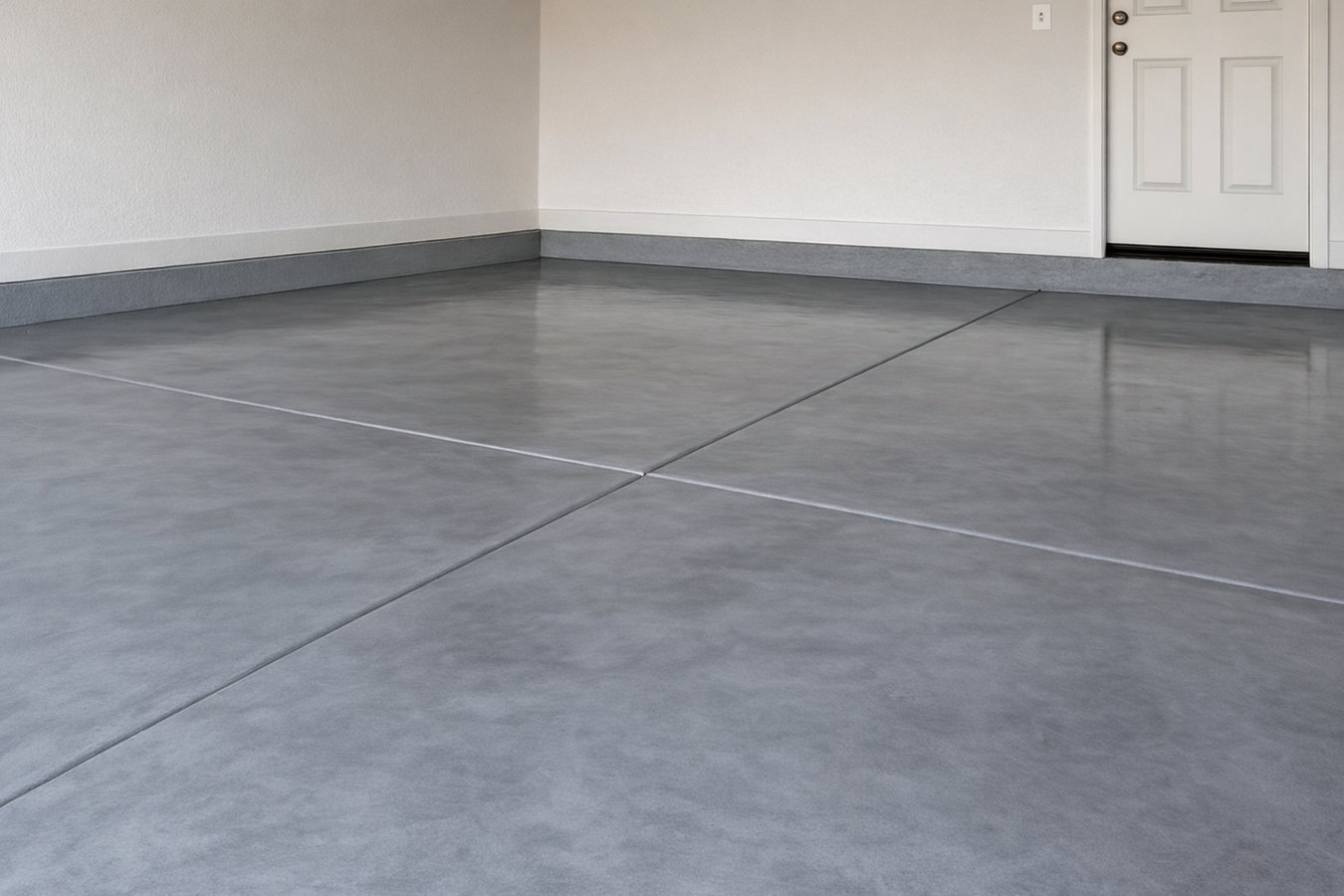
Old cracks keep coming back, the surface is crumbling, or you need a solid floor where there was none. We pour concrete floors in Fort Smith with proper subgrade prep, reinforcement, and drainage - done right once, so you are not fixing it again.
Concrete floor installation in Fort Smith starts with preparing the ground beneath the slab - compacting the soil, adding a gravel base, and placing reinforcement before a single drop of concrete is poured. Most standard garage or basement floors take one to three days on-site, with a 28-day curing period before heavy loads should go on the surface.
Fort Smith's expansive clay soil is the biggest variable in any floor installation here. A slab poured without a properly compacted subgrade and gravel base will crack and shift as the clay swells and shrinks through the seasons. If you already have a floor that is beyond patching, replacing it is usually more cost-effective than repeated repairs. Homeowners adding a finished basement or garage space often pair a new floor with concrete pool decks or other outdoor flatwork to complete the project in a single mobilization.
These four signs point to a floor that is past the point of patching.
If you have filled the same crack more than once and it keeps reopening, the problem is underneath the surface. In Fort Smith, this is usually the clay soil shifting as it absorbs and releases moisture through the seasons. Filler is a short-term fix; at some point the slab itself needs to go.
Walk slowly across your floor and pay attention to spots that feel like they give slightly, or where one section sits higher than the one next to it. That unevenness usually means the ground beneath has settled - a common issue in older Fort Smith homes where the original base was not compacted properly. An uneven floor is also a tripping hazard.
Puddles forming in the same spots after rain mean the floor's drainage slope has failed - or was never there. In Fort Smith, where heavy spring rains are common, standing water on a concrete floor weakens the slab from the inside over time. A new floor poured with the correct slope solves this for good.
If the surface of your floor is breaking apart in small chips or leaving a dusty residue when you sweep, the top layer has deteriorated past the point of repair. Fort Smith's heat and humidity cycle accelerates this on floors that were not cured correctly when originally poured. A full replacement gives you a clean, solid surface that will hold up.
We install new concrete floors for garages, basements, patios, workshops, and commercial spaces. Every project starts with subgrade preparation - compacting the existing soil and adding a gravel base layer that gives the slab stable footing through Fort Smith's wet and dry seasons. We place rebar or welded wire reinforcement inside every slab, set control joints to guide any future cracking to predictable lines, and slope the surface so water drains away from your foundation and toward the door opening or a drain. Homeowners who also need outdoor concrete surfaces often add garage floor concrete work at the same time to save on mobilization costs.
For floors where appearance matters, we offer stained and sealed finishes that are applied after the slab cures. Staining adds color while keeping the natural look of concrete; sealing adds a protective layer that makes the surface easier to clean and slows moisture absorption. If you want a polished look for a basement, showroom, or commercial space, we can discuss concrete pool decks and other finished concrete surfaces that use the same decorative techniques.
Best for homeowners with cracked, heaving, or water-pooling garage floors that have passed the point of repair.
Best for unfinished basements being converted to living space, workshops, or storage where a solid, level floor is the starting point.
Best for homeowners adding covered outdoor living space or replacing an old patio surface that has cracked and shifted over the years.
Best for garages, basements, or commercial spaces where a more finished appearance and easier cleaning are priorities.
Fort Smith has a large number of homes built between the 1950s and 1970s - many of them in older neighborhoods like those near downtown and along the Midland Boulevard corridor. Original concrete floors in these homes were often poured thinner than current standards, without reinforcement, and without the gravel base that protects against clay soil movement. After 50 or 60 years of Fort Smith's wet springs and dry summers, those floors are showing it. A full replacement, done with proper prep, is almost always the better investment over continued patching on a slab that was underprepared from the start. The Portland Cement Association publishes guidance on hot-weather concreting that we follow when scheduling summer pours in Fort Smith's heat.
Properties near the Arkansas River and in low-lying neighborhoods also deal with moisture coming up from below after heavy rain events. In those areas, we discuss vapor barriers and drainage slopes before the pour to make sure a new floor does not become a water problem. We work regularly with clients in Van Buren and Greenwood who face the same clay soil and drainage conditions, and we apply the same ground prep standards across every project.
Reach out by phone or through our contact form. We reply within 1 business day to schedule an in-person look at the space. Ground conditions affect price significantly, so we come to you before quoting anything.
You receive a written estimate covering prep, pour, cleanup, and permit fees if applicable. If a City of Fort Smith permit is required, we handle the application before work begins so you are covered from the start.
The crew removes any existing slab, grades the soil, compacts it, and places a gravel base layer. This prep day is the most important part of the job - it is what separates a floor that lasts from one you are patching again in a few years.
The crew sets forms, places reinforcement, pours and finishes the slab, and cuts control joints. In summer heat, the surface may be covered to slow curing. At the 28-day mark, the floor is at full strength and ready for normal use.
Free on-site estimates. Permits handled. Written quote before work starts.
(479) 377-0983We compact the soil and add a gravel base before any concrete goes in. This step is skipped on many low-bid jobs in Fort Smith, and it is exactly what causes floors to crack and heave within a few years. We do not skip it, regardless of project size.
Fort Smith gets heavy spring rains, and a garage or basement floor poured without the right slope turns into a water problem every season. Every floor we install is sloped toward the door or a drain so water moves where you want it, not where gravity takes it on its own.
Fort Smith summers regularly push past 95 degrees. Concrete poured at peak afternoon heat dries too fast on the surface, which leads to surface cracking within the first year. We schedule summer pours for early morning and take steps to protect the surface during curing. We pull permits through Fort Smith Building Services on every project that requires one.
Our estimates cover prep, pour, cleanup, and permit fees before a single shovel moves. We do not quote low to win the job and then add costs once work is underway. The number we give you is the number on your final invoice.
Fort Smith Concrete works exclusively in concrete, which means the crew showing up on your floor installation has poured slabs in Fort Smith's clay soil before and knows what preparation steps cannot be skipped. That experience is reflected in how our floors perform over time.
Extend your concrete flatwork around a pool with a surface built to handle Fort Smith's heat and pool chemistry.
Learn moreUpgrade your garage with a properly reinforced slab built to carry vehicle weight without cracking.
Learn moreSpring is Fort Smith's busiest season for concrete work - reach out now to get on the schedule before it fills up.